• You Cannot Copy Trust

    In the age of AI, trust may be the last real moat.

    1. A Gathering of Like-Minds

    Recently I was honored to be among a select group of attendees invited to JAX Vineyards in SF to an event hosted by LILT AI. The small group included marketing leaders from companies like Ares Capital, Ubisoft, Microsoft, Zendesk, and others, and we were there to exchange ideas and stories about how AI is changing the landscape of marketing, as well as to hear insights and stories from one of the preeminent names in Brand and Marketing, Andy Cunningham. (And yes, she did have some fun Steve Jobs and Apple stories that she shared with us.)

    As we swapped stories, experiences, and challenges we all were facing as marketers, and listened to Andy’s accumulated wisdom, one theme stuck out: As AI accelerates and makes it easier for more people to build, generate, and imitate products, strategies, and content, Brand is poised to become more important than ever.

    2. The Current State of the Art

    For the past 30+ years in the marketing world, especially in the digital and technology marketing world, conventional wisdom was that product wins, and performance marketing proves it. Build a product with better features, more clearly communicate the benefits, and set the performance marketing team loose. Drive traffic. Optimize conversion. Directly attribute outcomes to spend. A/B Test. Focus relentlessly on CAC and LTV. Double down on what works, discard what doesn’t. Rinse, repeat, and WIN!

    None of this is wrong. Data is great! The feedback loop lets you learn quickly, and feel confident making decisions. It helps win arguments, and provides empirical proof that feels much more rigorous and tangible than all that gooey, fluffy Brand and marketing-speak that often comes down to opinions, preferences, and that elitist word, “taste.”

    But. This line of thinking ends up overvaluing what can be measured immediately, and undervalues what takes time, sustained effort, and consistency. And increasingly, it is no longer enough.

    3. AI: What is it Good For?

    Andy reminded us last night that when the personal computer first came on the scene, everyone knew it was going to be revolutionary, somehow. That first revolutionary application that markets near-universally agreed would be the way to get computers into homes? Not as a productivity tool for spreadsheets and writing, not as a vehicle for entertainment and games, not as a personal assistant, but, as….(drumroll please)… a recipe management system! Ta-da!

    [ crickets ]

    Yes, seriously, this is what the brightest minds of their era came up with.

    (But don’t get caught in the trap of thinking you would have done much better. I mean, Sora?)

    As we all know now, it didn’t turn out that way. Personal computers eventually ended up everywhere, from our homes to our offices to our pockets and have applications that couldn’t have possibly been imagined 40 years ago, let alone 4 years ago in some cases.

    4. AI Blows It All Up

    So now we turn to AI — what is it going to be used for?

    I’m not here to answer that question today. But I can tell you what we are already seeing it do. And content creation is the very least of it.

    All those moats that companies used to rely on — the technical features, the development teams, the quality of the product, the time, effort, and expertise it took to create it and maintain it, the capital it took to do so — all of those are drying up, and quickly. AI is completely leveling the playing field in technology, and at an accelerating pace. What took a dedicated team of deep experts months or years to do last year can be accomplished by one or two driven creators using AI tools in a matter of weeks, if not days. Combine that with the falling costs of creation and the concentration of capital in already-dominant organizations, and it adds up to a siege engine that can cross any moat. (I’m kind of mixing metaphors here, but you get the point.)

    This, of course, includes marketing, communication, and branding efforts. A story came up yesterday evening where a client of Andy’s was flummoxed, outraged, and paralyzed because another company had copied their marketing and branding to a T. “What do I do now!?” (Her answer was, if all that was unique about you was the copy on your website, then you weren’t doing enough in the first place.)

    So your technical moat is gone. AI copy all sounds good enough (and completely interchangeable.) Your own great copy can and will be imitated, replicated, ripped off, duplicated. What’s left?

    5. What Can Never Be Copied

    The good news is, there’s a lot left. The most important things, in fact.

    Let’s start with what’s at the core of all of it: your and your organization’s Identity. The unique combination of attributes, passions, experiences, and drives is something that no one else and no other organization could ever copy, no matter how hard they try.

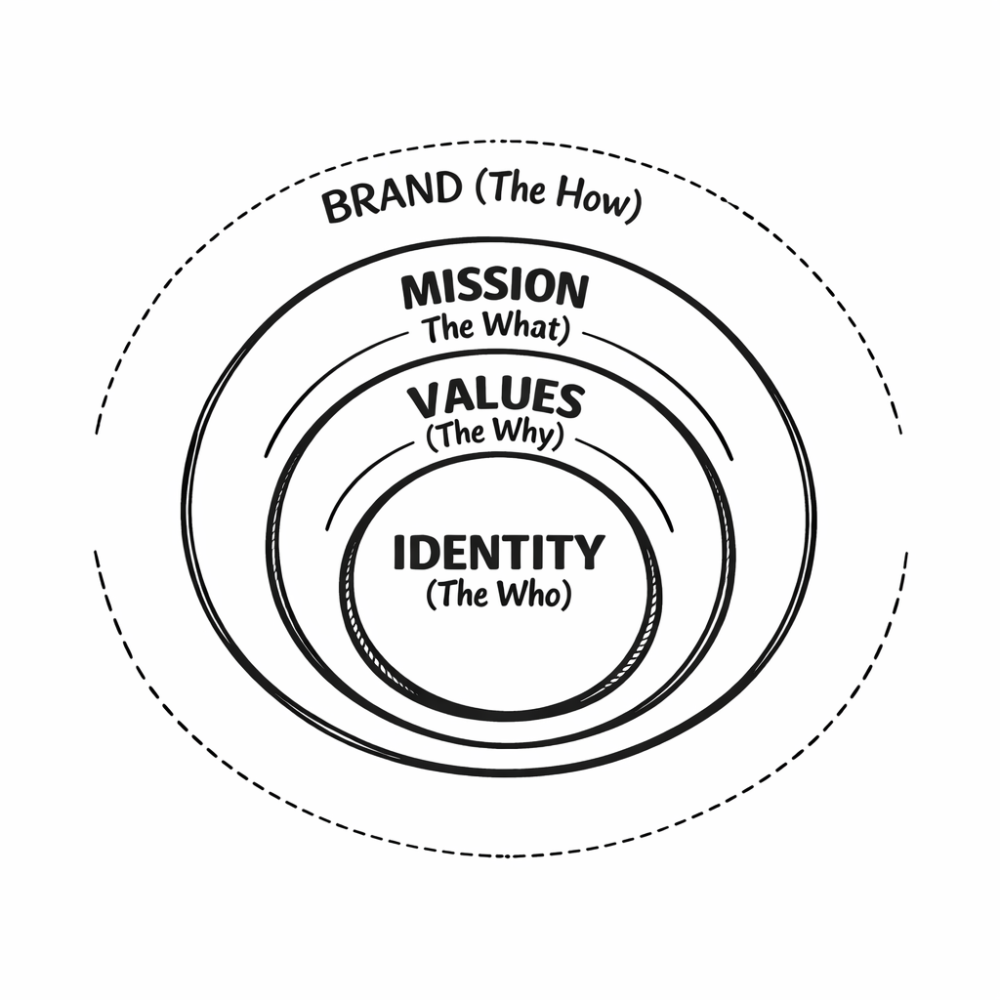
    That Identity gives rise to your Values, which in turn define your Mission. How you choose to express those values, to follow through on your mission, and all the thousands of choices you make in order to accomplish that, is your Brand. And while a Brand can contain all kinds of attributes and qualities that signal different affinities and evoke different emotions, all of what falls underneath Brand is really just shorthand for one thing:

    Trust. Do your customers, your clients, your community of users, and others who have only heard of you, trust you to do the things you say you will do, to be the things that you say that you are?

    That trust cannot be copied, bought, borrowed, or stolen, but it can very easily be lost.

    However, there are proven ways to reinforce it, and good news: those are also non-fungible, uncopyable assets. They are your community of users who you serve. They are your reputation for solving problems and resolving issues when things go wrong. They are your consistency in expressing and demonstrating your brand and values. They are the story you tell to yourself and to others that helps them understand who you are and how you fit in with their own stories. And they are the clarity you have in articulating those unique elements that make you, you.

    6. If It’s So Easy, Why Doesn’t Everyone Do It?

    Answer: It’s not.

    Doing this work effectively is one (yuuuuge) challenge. Building buy-in for it from bottom to top of the organization is another.

    I’ve been lucky enough to work with many brilliant, effective, and highly experienced executives, marketing leaders, and strategists over the years, in a number of industries. And in 19/20 cases, Brand gets quickly relegated to being a ‘nice to have.’ For many of the reasons discussed above, performance marketing is always the first place people go. It’s safe. There are measurable results, tomorrow! It relies on data, hard evidence, and shuts down arguments.
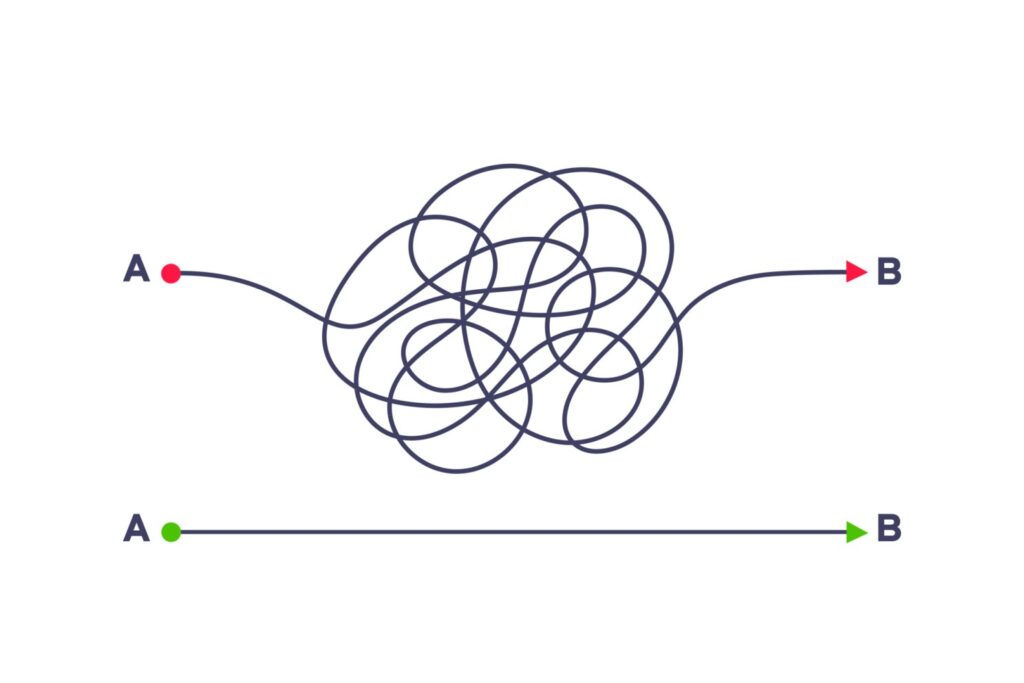
    Brand work is the opposite, in many ways. It takes a lot of time, both to get right and to see results. It needs to be consistently communicated across multiple channels and touchpoints, both internally and externally. The effects of great Brand work are indirect, and cumulative. It always starts slow. It’s much harder to list as a line item on a quarterly spreadsheet. It’s one of those things where the value is obvious in the rearview mirror, but impossible to prove in advance.

    But the difficulty of measuring it does not mean it lacks value. It’s a long-term asset, and it can’t be measured with short-term tools.

    7. Not Performance  vs Brand, but Performance x Brand

    Brand is a performance multiplier. If the first time someone hears about your company is in the headline of a Google Ad (and let’s face it, by now most savvy consumers have ad blockers installed so they won’t even see it), you don’t have much space to make a strong impression.

    But if they have heard people talk about you positively, if they’ve seen social media posts about you that are favorable, if they recall an article that you were mentioned in, then seeing your ad will mean a lot more — and even better, they might be searching you out directly.

    Performance marketing without brand is a steep uphill climb. But if you invest in Brand, you start to flatten that incline. And if you do it consistently and strongly enough, you might even turn that into a walk in the park.

    Don’t abandon performance marketing — use Brand to level the playing field.

    8. Land and Expand

    This is where a clear understanding of your company’s Identity, mission, and values can help focus your efforts. Brand should help you create a clear and compelling message that’s laser-targeted at your ICP. Not only can it help you tailor your message and the story you tell that will elicit that strong emotional response from the people you want to love your product, it can also help inform and narrow the scope of where you put your performance marketing efforts. (But you have to verify you’ve found the right target audience.)

    Storytime!

    Andy shared a Steve Jobs story that seems stunningly obvious in retrospect, but took Steve himself a decade or more to understand. I’ll be radically summarizing it here, but in essence, when Steve launched the Macintosh, he was targeting the ‘pirates’ in the corporate world — people with taste, vision, and a desire to do things beautifully and differently. And that’s who Apple went after with the Macintosh. (Spoiler alert: it didn’t work.) People loved it and could clearly see it was better — but they also knew there was no way they could convince their corporate overloads and bean counters to spring for something that was multiple times as expensive as a Windows PC.

    After Jobs was kicked out of Apple and they miraculously didn’t kill the Mac, it slowly found its user base among creatives and creators of all kinds who loved the way it worked, it’s focus on taste, reinforced their own self-perceived value as a ’different’ kind of thinker. (Foreshadowing!)
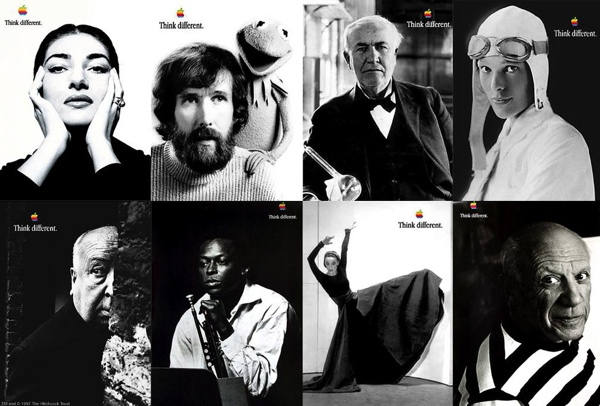
    When Steve came back to Apple years later, the first thing he did was launch a massive and wildly successful marketing campaign — Think Different. It explicitly tied together the people who had been die-hard, anti-establishment Mac users to the great artists and visionaries who were universally beloved and recognized as having moved art, politics, science, and civilization itself forward. He and Jonny Ive launched iMac, a wildly colorful computer that wasn’t meant to be found in offices and boardrooms. Apple also release the iLife suite of software that focused on artistic creativity, from photos to movie-making to music and more, standing in contrast to Microsoft’s monolithic Office suite of products.

    All this and more cemented the Mac as the tool for creative people. And wouldn’t you know it, every single one of us nurtures a creative spark inside of us — we all want to create. It’s an actually universal value. By ‘landing’ firmly on the right target customer, cementing that emotional response by creating products and services that matters deeply to that audience, Apple has been able to effectively ‘expand’ to nearly the entire rest of the population by keying in on that feeling we all have of wanting to be creative, special, different, and seen.

    When crafting a brand message, when you are excited about how awesome your product and your company is, (and when you are trying to woo investors), it’s easy to start thinking “well, this is for everybody!” EVERYONE needs a thneed! The fact is that while TAM is a great way to raise capital, it’s a terrible way to focus your Brand.

    Get comfortable with getting narrow. Find that key group that is going to deeply love your product (and verify that they do). Pay attention to what about it connects with them. Build that genuine love. Keep going, and keep growing.

    9. Learning from Laundry Detergent

    Another topic of conversation that evening was the available learnings from the height of CPG marketing. In the 1950s and 60s, huge strides forward and innovations were being made with materials and chemical science that, combined with a growing baby-boom of new families and post-war wealth, led to a Cambrian-like explosion of products like breakfast cereal, laundry detergent, and countless others that also led to a commensurate explosion of brands, each vying for the attention and loyalty of the newly minted American consumer.

    This was the Mad Men era, and brand was king. Companies pulled out all the stops and came up with endless ways to create and make brands stick out on the shelf, and stick in the mind. From jingles, to packaging innovations, to TV commercials, catchphrases, product comparisons and demonstrations, and more, the CPG industry was deeply innovative in finding ways to tell their story and make their (essentially fungible) products stick out from the rest. Many of the winners from that era are still with us today.

    Now that we are seeing similar convergence of features and sophistication in the technology and software sector thanks in a large part to AI, there will be a lot of opportunities for today’s brands to take lessons from that era and to find new ways to tell their stories in today’s key mediums in a way that stands out from the rest of the noise. It’s too early to say what those new ways are going to be — it’s up to us to figure them out.

    10. Slop Goes Splat

    Guess what? Those brand innovations and new discoveries I just talked about? No AI engine is going to create those.

    Another topic our group discussed the night was the fast-growing backlash against AI-generated content. We’ve all felt it, and it’s only getting more pervasive — that sense when you read something, listen to that uncanny voice, see that image that looks both too perfect and not, or hear that same, canned sentence structure — that feeling that no human being made this. So why should I care?

    Much like our recipe organizing computer, it seems that generating content is not going to be the key use case for how marketers harness AI.

    What will be?

    Lots of great answers to that question are already emerging. Many of us that night mentioned ways we were using AI tools to enhance our own abilities rather that simply replace content creation, which included:

    • AI as thought partner; using AI tools to help point out blind spots and round out our thinking
    • AI as research assistant; gathering and aggregating information like competitive analysis, market research, or extracting information from dense sources like scientific papers
    • AI as a workflow engine; using AI processes and tools to more simply and quickly connect disparate pieces of software or to automate repetitive processes
    • AI as an automation layer; setting up AI tools that are more sophisticated and flexible than your standard “if; then” engines to move faster and smarter than was recently possible for the non-technical marketer

    The above is a just a short list of some of the ways I am using AI myself, many other examples included fielding, analyzing, categorizing, and extracting information from incoming contacts from customers and users, qualifying leads, customizing communications down to the individual user level, and many others.

    In all likelihood however, that killer app for AI and marketing has yet to be discovered.

    In Conclusion: What Cannot Be Copied?

    (1) Last week, at a LILT-sponsored gathering with senior marketing leaders about AI with Andy Cunningham, we kept coming back to one idea: as AI makes more things easier to build and imitate, Brand matters more, not less. (2) For years, especially in tech, the prevailing logic has been simple: product wins, performance marketing proves it, and the numbers tell you what to do next. (3) But every major technology shift is poorly understood at first, and AI is almost certainly bigger than the narrow use cases we currently fixate on. (4) What is already clear is that AI is collapsing many of the old moats by making content, code, products, and even business models faster and easier to replicate. (5) What remains difficult to copy are the things underneath all of that: identity, reputation, community, consistency, and ultimately trust—the belief that you are who you say you are and will do what you promise.

    (6) The reason Brand still gets underfunded is not because it lacks value, but because it compounds slowly and resists the short-term, spreadsheet-friendly logic that makes performance marketing feel so safe. (7) But Brand is not the opposite of performance; it is what makes performance more effective by ensuring that when people encounter you, they are not meeting a stranger. They understand your story. (8) The strongest brands do not start broad, but narrow—earning deep attachment from a specific audience first, and only then expanding outward, as Apple did by winning creatives before becoming aspirational to nearly everyone else. (9) In that sense, today’s AI-saturated market has something to relearn from the CPG era: when products start to look functionally similar, story, memory, affinity, and trust become the real differentiators. (10) Which is why the most valuable use of AI is unlikely to be flooding the world with more interchangeable content, but by bring the human story more effectively into your marketing: AI can help humans think better, move faster, and show up more distinctly.

    Because in the end, you can copy almost anything now — except trust.
  • Identity is the Story

    Most organizations think they have a marketing problem. But what they really have is an identity problem.

    Identity, as applied to organizations, is not so different from personal identity — it’s a crisp, clear, and concise articulation about the qualities that make you (or the organization) unique. Identity arises from the unique set of experiences and perspectives that led to the creation of an organization in the first place — and once properly articulated, it can never be duplicated, imitated, or replicated anywhere else.

    But sadly most organizations have a really tough time with this, for one simple reason: it’s really hard to get right, and it’s easy to settle for ‘close enough’. The fact is that even in the best of circumstances, it takes a lot of time and effort to nail Identity in an organizational setting. There are usually a lot of stakeholders (founders, executives, long-standing employees, marketing people like me) who have strong opinions and they don’t always align immediately.

    It takes time, and a lot of hard work, to get down the core expression of Identity to a place where everyone that looks at it goes “Yes. That’s us.”

    But it’s not impossible.

    Like Mark Twain is supposed to have uttered, “The right word is the difference between lightning and a lightning bug.”

    Getting to that lightning strike, that ‘Aha!’ moment, takes a lot of time, effort, diligence, and patience. It’s easy to skip. But there is one really good reason why you shouldn’t:

    This time and effort to get Identity right is one of, if not the, most valuable investments an organization can make.

    Identity sits at the core of every single decision an organization needs to make. Having the answer, a tight, cleanly articulated, and narrow definition of what that identity is means that now everyone in the organization is  empowered to make decisions quickly, and more correctly. It helps provide the answers to who should be hired, which channels to test, what products to develop, what messages to broadcast, which customers to target, and touches just about everything else.

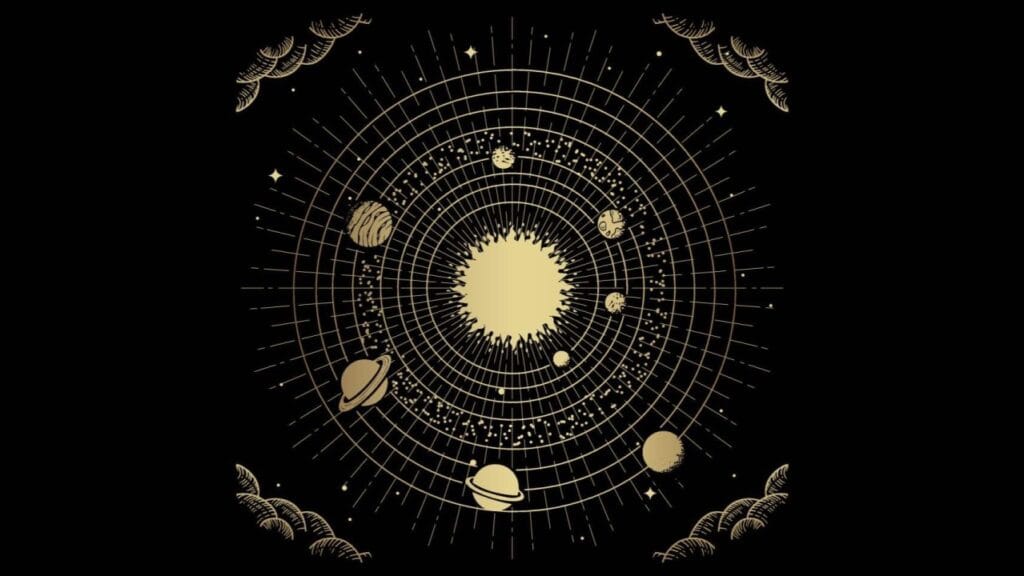
    Identity is the sun around which your organization and all of its decisions orbit — properly defined, it illuminates the right choices and keeps everything spinning in harmony.

    Without it, marketing is just a shot in the dark.

    Identity (Who) -> Values (Why) -> Mission (What) -> Brand (How)

    Identity is what gives rise to your organization’s values, which in turn define its mission. The way those are communicated out into the world is the brand. Brand is really just shorthand for Trust. It’s easy (and a lot of fun for marketers and consultants) to dress up Brand as all sorts of things: meaning associations, signifiers, age groups, personality traits, etc etc. But at the end of the day, your brand is simply this: when people see your name, do they trust you?

    There is a simple, 3-fold way to build trust through communication and marketing (and of course, your actions had better back this up). The first is by showing Empathy — does this organization genuinely care about what happens to me? The second is by demonstrating Logic — do I understand why this organization does what it does? Is it consistent? The third is through that most elusive, slippery, and overused of terms in modern marketing: Authenticity. Authenticity is a lot like that old line about what constitutes pornography — you know it when you see it. And the reason authenticity is so hard to define, so easy to get wrong, and so often misconstrued is that it is directly connected to Identity — and without it, it’s easy for those efforts to fall flat, often in an embarrassing way.

    All of this is not to say that it’s impossible to be successful without a clearly defined Identity. I’d even go so far as to say that the majority of organizations operate without it — and, yes, they can and do still reach customers, make lots of revenue, and launch successful campaigns and products. But there is a major catch: it’s far less efficient. It involves lots of wasted effort (and spending), hit and miss results, and dilution of brand that risks the organization’s image with each new campaign. Instead of consistent effort in the right direction time and time again, organizations without it are striking out, zigging and zagging, going after the wrong customers for the wrong reasons, scratching their heads after a campaign fails and not understanding why.

    This is because of the importance and power of storytelling. Stories are how human beings make sense of the world around us — the past, present, and future of our lives, the connections we build with others, and our own place in it. Marketing is really storytelling in disguise.

    Now, think about your favorite stories — what separates something that’s just OK from something that sticks with you forever? Is it because of the plot? Rarely. Plots get re-used and recycled all the time, but what really separates a great story from a mediocre one is character. (And that’s where Identity comes in.)

    Without a clear understanding of your organization’s Identity, it is simply impossible to tell a consistent story. If you don’t know your own story, how can you possibly tell it to others? (Answer: You can’t.) And that consistency is the core of what it means to be authentic. Without it, authenticity is window dressing. Logic is opaque. And declarations of empathy can’t be trusted.

    Here’s what all this means. Identity is not just a ‘nice to have’. It is the foundation upon which a brand is built, the wellspring of inspiration, the sun at the center of the solar system that holds everything together. Ignore it, and marketing becomes a constant struggle, a guessing game, and unpredictable. Get it right, and success becomes inevitable.

  • Copy Shamelessly. Then Keep Going.

    “Good artists copy. Great artists steal” — we’ve all heard it a million times. Steve Jobs stole the phrase outright from Picasso. And he was right to do so. Copying slavishly is easy — heck, that’s all ChatGPT does. But to steal something means you take it — and make it your own.

    It’s a beautiful moment when something inspires us to create. A transcendent work of art, an inspiring song, a beautiful poem, a simply clever turn of phrase — that moment in life when you come across something so resonant that you can’t help but have two simultaneous thoughts: this makes me want to create something beautiful / I could never create something so beautiful.

    When I was younger, I was taught that all art and human creativity is part of a conversation that stretches back through time — and I took that to mean that in order to meaningfully contribute to that conversation, I had to understand what the context of what I would ‘say’ would mean… Which meant that I’d assigned myself the task of understanding the whole of human history and artistic movements going back thousands of years before I could even get started. If I didn’t, I thought, then all I would be contributing would be just ignorant noise.

    This was a mistake, and one of my few regrets. I hope this helps you shortcut that process.

    With the wisdom of age, I realized a couple of things. Number one:

    No one knows the whole conversation of art.

    There’s simply too much to know. All the great artists you love? They only knew a tiny piece of it. Now, don’t let this be a barrier to taking the effort to dig in and do some learning — when you find something that inspires or touches your soul, respond to it. Let it drive you to make something. But then, find out: Who made it? Why? What were they thinking? Were they responding to something else? You just might find even more art that changes the way you see the world, yourself, and your place in it.

    Number two:

    No one else sees what you see.

    You are irreplaceable, infinitely unique. You may be imitated, but never duplicated. No one will ever truly be in your head, or in your shoes. What you see is true. And if it’s true for you, it’s probably true for a lot of other people too, even if they might now know it yet.

    So, back to stealing.

    The first rule of creativity is: Be inspired. And when you find something that touches your one wild and immutable soul, let it drive you to create something too. The second rule of creativity: Imitate slavishly. Try to sound like your favorite writers. Duplicate the style of your favorite artists. Sing like your favorite singer. Internalize it, embody it, own it. Then comes the most important step, rule number three: Keep going. And going. And going. Don’t stop at imitation. Keep variating. Truly make it your own. Mess around. Get bored. Tweak, fiddle, and play. Don’t do it for approval, do it because you want to. Do it for the goddamn joy of it. Build castles in the sandbox of your mind, knock them down, and start over again. What else are you going to do? Watch Sora videos? And the comes the best part, step four: Make something you, and make something new. It’s the rule that you don’t have to worry about, because if you followed rules 1-3, this one writes itself. The simple act of play, of change, of the seat blood and tears you put into that variation will inevitably lead to something truly different, and something that only you could have created.

    So trust in the process. Be inspired by what moves you, imitate the parts you love, iterate over and over, and then, you’ll truly be an innovator — and inspire the next wave of joy, creation, and change in those that are moved by you.

    Be Inspired -> Imitate -> Iterate -> Innovate

    There is a Hebrew word, “Shiklul,” which means, in essence, to endlessly iterate towards a perfection that can never be reached. Like asymptotic refinement, it’s a curve that can never reach 0, but gets closer and closer towards infinity. It’s the process our brains use to learn how to do anything, from speech, to movement, to writing a sonnet.

    Don’t be afraid of overworking something – just keep going.

    If you have one takeaway from this article, let it be this: you have the potential in you to make something great. Don’t be afraid to imitate. Just keep going, and going and going. And one day, you will inevitably create something truly new, and irreplaceably you.

  • Making Action 

    I’m sure it won’t come as a surprise to share that events transpiring all around us are making me feel a whole lot of emotions. (This may include rage, despair, anxiety, frustration, angst, gloom, anger, helplessness, ennui, listlessness, and many others.) And that’s all very understandable — the rule of law is being shredded, the fabric of American Society feels to be unraveling, there is genocide happening in our time, it’s becoming increasingly impossible to make a comfortable living, AI slop is replacing thinking, we are inundated by ways to doom-scroll our one wild and precise life away, the worst actors seem to be becoming ever richer and more powerful, our beautiful natural environment is further degraded and out of whack every day at a pace that only seems to be accelerating despite all the clear scientific evidence  and available technology that could allow us to reverse that trend, they stopped making the Choco Taco… the list goes on. 

    And I think those emotions are especially heightened for those of us in the United States, who don’t want to see our country take a hard-right turn into Fascism and who may wake up some mornings wondering if we are essentially living in early 1930s Germany. 

    It’s in that spirit that I can very easily understand those who are agitating for the rest of us to DO SOMETHING!!!! “What would you have done when Naziism was rising in Germany in the 1930s? Because whatever you think it was, you’re doing it now!” Etc etc. 

    And yes, while I understand that feeling (and it’s a question I ask myself in the regular), it’s not helpful. The reality is that most of us have people who depend on us, lives we were feeling overwhelmed by trying to just keep in equilibrium BEFORE all this started going even further off the rails, and we are all of limited time, attention, resources, and other means. 

    But that also doesn’t mean we should do nothing. 

    I’m writing this as much for myself as I am for you, dear reader, to remind myself that just because we can’t do everything, doesn’t meant mean we have to feel like we are doing nothing. 

    So, below is a short and non-comprehensive list of 11 steps you can take to start making the world a a better place, to Make Action:

    1. Stop Beating Yourself Up

      See above. The world will do it for you, so why offer it a hand? Be your own champion, love yourself, and get some rest. Put on your own mask before helping others. You can’t go very far or carry anybody with you if you’re running on an empty tank. 

      2. Do What You Can

      Which is also to say, if you can’t do it, then don’t. It’s ok. No one can do everything. But if there is something you know you can do, then do it. That can be as little as liking a post, sharing it with a friend, joining a protest, founding a movement, or just eating a healthy meal. Action Absorbs Anxiety – so do something, even if it’s just for you. 

      3. Build Connections

      Stay in touch with friends. Try to make new ones. Have a real conversation with someone at the grocery store. Send on of your favorite artists, influencers, or some other type of creator a genuine message about what their work means to you. Reply to the cold marketing email with a genuine note of “no, but thanks” instead of just deleting it. Call your mother. 

      4. Join a Movement 

      Choose a cause that matters to you. It’s nearly guaranteed that there are people out there fighting to make it better. Sing up for the newsletter. Sign a petition. Like and follow what they’re doing on social media. Show up to a meeting. Every avalanche needs a lot of snowflakes.

      5. Live Kindness 

      Be kind to yourself. Have patience with others. The world is always in desperate need of more kindness — there can never been too much. Caring and kindness are our greatest strengths. Empathy is never weakness. Those without hot are lonely, lost,  and full of longing. Pity them. God damn it, you’ve got to be kind. 

      6. Support Others 

      Every one of us struggles. If there is something you can do to ease the burden of another, then do it. Again, even something as small as liking a post, leaving a supportive comment, or sending a positive email can transform someone’s day. 

      7. Care For Your Loved Ones 

      At heart, we are nurturers. Grow your own spirit and add grains of sand to your mountain of purpose by showing care for the people you love, and who love you. Feed your cat. Play with your dog. Read your child a book. Call your parents. Call up an old friend. Send a song you can’t stop listening to to your sibling. Cook dinner for your partner. (Or even better, do the dishes.) 

      8. Spread The Word 

      Movements aren’t built alone. If there’s a cause you believe in, say something. If you think someone is doing great work in addressing it, tell others. Share an article, even if it’s just because you’re irate. Raise awareness of the things you care about, both the problems and what you see as the solutions. Get fired up, inspire others, and build momentum. 

      9. Give Money, If You Can 

      This is low on the list because for some of us it’s the biggest ask, and there is so much more you can do. But it definitely doesn’t hurt. Even $1 makes a difference, and adds up. 

      10. Be Visible, and Be Vocal, and Act, if You Can 

      Exposure brings risk, and for some of us that risk can be great. It’s also true that nothing will change if we all stay home. If you want things to change, sometimes the best thing you can do is simply to show up, speak out, and been seen. Non-violent protests can work — but only if enough people show up. (See: 3.5% rule

      11. Don’t Despair

      Some days it’s easier than others. We all have our dark days, myself definitely included. But the dark days don’t last forever. Go back to Step 1. 

      Final Note: One thing I tell myself on those dark days is simple: Everything Will Change. It’s a double-edged sword — the darkness will fade. Things that are terrible now won’t last forever. But the things I love about now, the joys of today, will also not last forever. It’s a mental memento mori to celebrate, practice gratitude, be in the moment, and seek out the light. 

      Go forth! Make Action. 

      (I started an apparel company to try and put more positive reminders into the world. Buy a Make Action shirt here.)

    1. Why “Authentic Instinct”

      Everyone’s jumping on the AI bandwagon, so I figured, why not? 

      But it’s really more than that. 

      Partially, of course, yes, it’s just to be cheeky. But I wanted a place to emphasize my human ability to do the opposite. What will AI never be? Authentic rather than Artificial, able to prioritize Instinct over Intelligence. 

      It’s also a pushback against another kind of intelligent blindness that clouds our culture. 

      One of my favorite books is Ian McGilchrest’s The Master and His Emissary. The extreme summary is that based on well-founded scientific observations, our mind really is divided into two hemispheres that operate differently; the right, which sees the forest, the gestalt, the big picture, and the left, which sees the trees. It grasps, it’s shaped my the mechanics of our hands, to go out into the world and change things. The right sits at home, thinking big thoughts and putting things together (The Master) and the left gets shit done (The Emissary). And in the course of western culture, the left has become strongly dominant. In many ways this has been great — it could be considered responsible for the scientific revolution, for the ‘golden age’ of enlightenment, for the primary of rationality over superstition, and more. 

      But there is much the left brain never sees, or devalues, which are crucial to being complete beings in the world. I see this every day in the tech industry as people increasingly forget that the numbers we see in our analytical engines, trackers, and digital funnels are not just numbers, but people. 

      This manifests as an over reliance on dashboards, numbers, projections, statistics, and ‘evidence’ — when the reality is that those things, while useful, can only go so far, as they only can tell you what happened, and inform you about the past — but not what could happen in the future. 

      (And the great changes that have swept our civilization and culture tend to come ‘out of nowhere’ 

      In the world of Corporate Poetry, er, “Marketing,” in which I live, this means that is increasingly difficult to get people to take risks, to venture forth, to try something that is truly new or different — if you can’t prove that it’s going to be successful, it’s too risky to try in the first place. As a result, too much of my workdays consist of trying to find, find, formulate, or fabricate “evidence” that the new thing I want to try will absolutely work and be worth the investment. 

      This blog is a stake in the ground to try and change the conversation to start making more room for Instinct — the deep seated sense, from lived experience and the Right-brained sense of the forest, that better ways of communicating and decision-making are out there, if only we are open to trying truly new ways of doing things. 

      The topics I cover here and the thoughts that I share will always be an expression of what I think matters — which will come from my instinct. 

      So that’s Instinct — what about Authenticity? 

      I’ll be the first to agree that it is a painfully overused word lately, especially in the world of marketing and communication. But the reason that it is so overused is that it is deeply misunderstood. If the point of being “authentic” is to find a better way to sell one’s self to more customers and readers, how on Earth can it actually be considered authentic? Unless that authenticity comes from a deep desire for approval and validation from others. Which is really the opposite of what qualities it takes to act with true Authenticity. 

      Authenticity is a concept that grows out of Identity — the unique, immutable qualities that make you you (and your own ability to see it). And seeing that in oneself clearly is really the hardest part. The first part is natural, and can’t be helped, but the second part, seeing it and understanding it clearly, is becoming increasingly difficult in a world where we are constantly surrounded by noise, stimulus, distraction, and then simultaneously pulled towards the vapid, bottomless cacophony of news, social media, popular culture, and anything else that’s [shudders] “trending

      So if the ability to be Authentic comes from your understanding of who you are, the distorted funhouse mirrors of our culture have made that increasingly difficult for all of us to do. How can you be true to yourself if you aren’t clear on who you are being true to? 

      That is the other half of this blog’s purpose — not for you necessarily, dear reader, but for me. It’s a space to go deep, to turn writing into thinking and back into writing again, to continue the search for my truth. As I find it, I will strive to be honest, uncensored, and true to it. For any readers that care to join me, or also find it illuminating, the doors to my souls are wide open to you — and I sincerely hope you enjoy and find value from sharing my journey. 

      (ChatGPT could never.)

    2. Getting Started

      The poet Tom Petty said that the waiting is the hardest part, but for me it’s always been the starting.

      Taking the step from zero to one requires a single first step, and in the realm of creation, I’ve always tried to remain humble. I don’t think it will be news to you that the world is full of people for whom the starting is easy — they are convinced they have lots to say, and they don’t hesitate to share it, endlessly, even if it contains little insight or anything new. And there are others who, despite maybe having something very valuable and deeply thoughtful to contribute hold back unsure that anyone would notice, or even care.

      I’ve spent too much time wandering around the latter camp.

      Life is short, time is precious — and i’ve never wanted to waste anyone’s with something that wasn’t worth their attention.

      I’ve also learned that it’s something for others to decide.

      Humility can obscure insight, reticence withholds connection.

      So in that way, this blog, and when I’m feeling self-inflated, this project, is not just for me. It is for everyone who is holding back their inner brilliance, afraid to let their light shine on others.

      There are a trillion ways to be a person, and ten thousand trillion more ways for us to find connection, validation, and inspiration.

      If even one reader, myself included, finds value from this, it will have been worth it.

      I thank you humbly, in advance, for your time.